▶ Tap to play (60 seconds)
Quick verdict
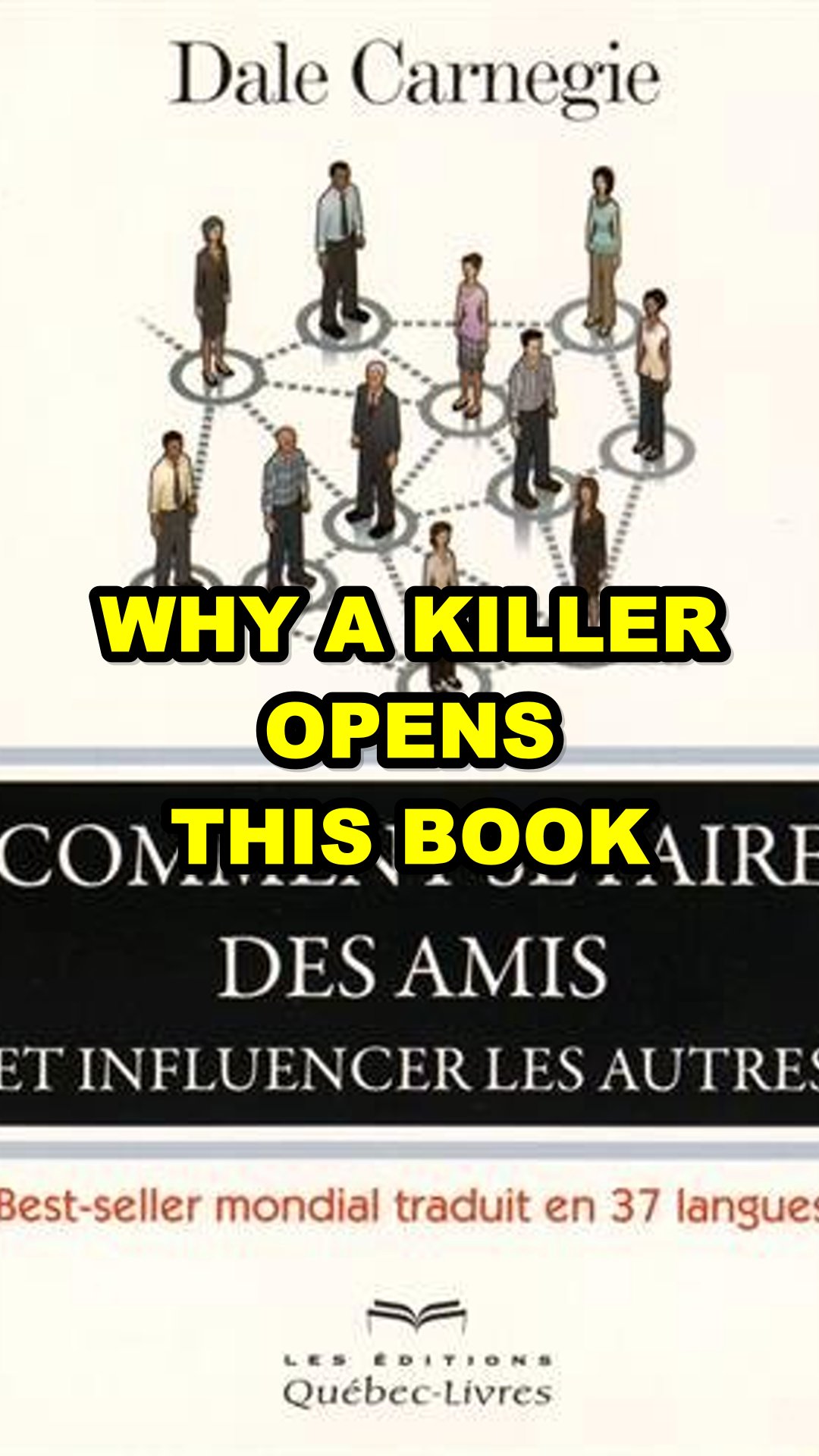
Yes, How to Win Friends and Influence People by Dale Carnegie is worth listening to: it is a self-help classic on communication and social skills that still delivers practical, usable advice. It works especially well in audio because the lessons arrive as short, story-led chapters you can absorb on a commute. A few examples feel dated, but the core habits are as useful now as they were in the 1930s.
- Carnegie’s 1936 self-help classic has sold more than 15 million copies and still reads like practical advice.
- Its core lesson: stop criticizing, listen more, and show genuine interest in the other person.
- Short, story-driven chapters make it an easy audiobook to listen to in small daily sessions.
What it’s about
This is a 1936 guide to dealing with people, built on simple principles that Carnegie backs up with real-life anecdotes. It is split into four parts: handling people, making people like you, winning people over to your way of thinking, and leading without causing resentment.
The hook is chapter one, which opens with a notorious New York gunman who never once saw himself as the villain. The point is uncomfortable and surprisingly sticky: almost nobody believes they are in the wrong, so criticism rarely changes anyone. From there the book builds toward the habits it is famous for. Show real interest in others, remember names, smile, let people talk about themselves, and never win an argument at the cost of the relationship.
Why it works as an audiobook
The audiobook suits this book because every chapter is a compact story with one clear takeaway. Carnegie was a public-speaking teacher, and it shows. The prose has a spoken rhythm, and the anecdotes about presidents, salespeople and ordinary employees land well when someone reads them aloud.
The structure helps too. You can listen to one chapter, pause, and try that one principle the same day, which is how this kind of advice actually sticks. My tip is to resist the urge to binge it. Narration varies between editions, so preview a sample and pick a voice you can enjoy for hours.
The honest drawback is that the stories come from a different era. Some of the businessmen and their anecdotes will feel like museum pieces. The psychology underneath them, though, has aged far better than you would expect.
Who should read it
This is the right audiobook for anyone who wants better conversations without reading a dense psychology text. It suits new managers, students starting a career, salespeople and introverts who want a friendly toolkit instead of a personality overhaul. It is also a good pick if you tend to win arguments and lose relationships.
Skip it if you want research-heavy science with citations and experiments. How to Win Friends and Influence People teaches through stories and common sense, not lab studies. If that is what you want, the titles below are better matches.
Similar books
- Influence: The Psychology of Persuasion by Robert B. Cialdini: the research-backed look at why people say yes.
- Never Split the Difference by Chris Voss: negotiation tactics from a former FBI hostage negotiator.
- Crucial Conversations by Kerry Patterson and co-authors: a practical playbook for high-stakes talks.
FAQ
Is How to Win Friends and Influence People still relevant today? Yes. The examples come from the early 20th century, but the advice on listening, avoiding criticism and showing genuine interest in people applies to modern workplaces, friendships and even online conversations.
Is How to Win Friends and Influence People manipulative? Only if you fake it. Carnegie repeatedly stresses sincere interest in others, and the techniques work best when you mean them.
Should I listen to the audiobook or read the book? The audiobook is a great fit because the chapters are short and story-driven. If you want to underline and revisit the principles, keep a print or ebook copy as a reference.
More audiobook reviews
Browse all audiobook reviews · What to watch on Prime Video · Start a 30-day Audible trial
#ad · As an Amazon Associate, Elite Books earns from qualifying purchases and sign-ups.