▶ Tap to play (60 seconds)
Quick verdict
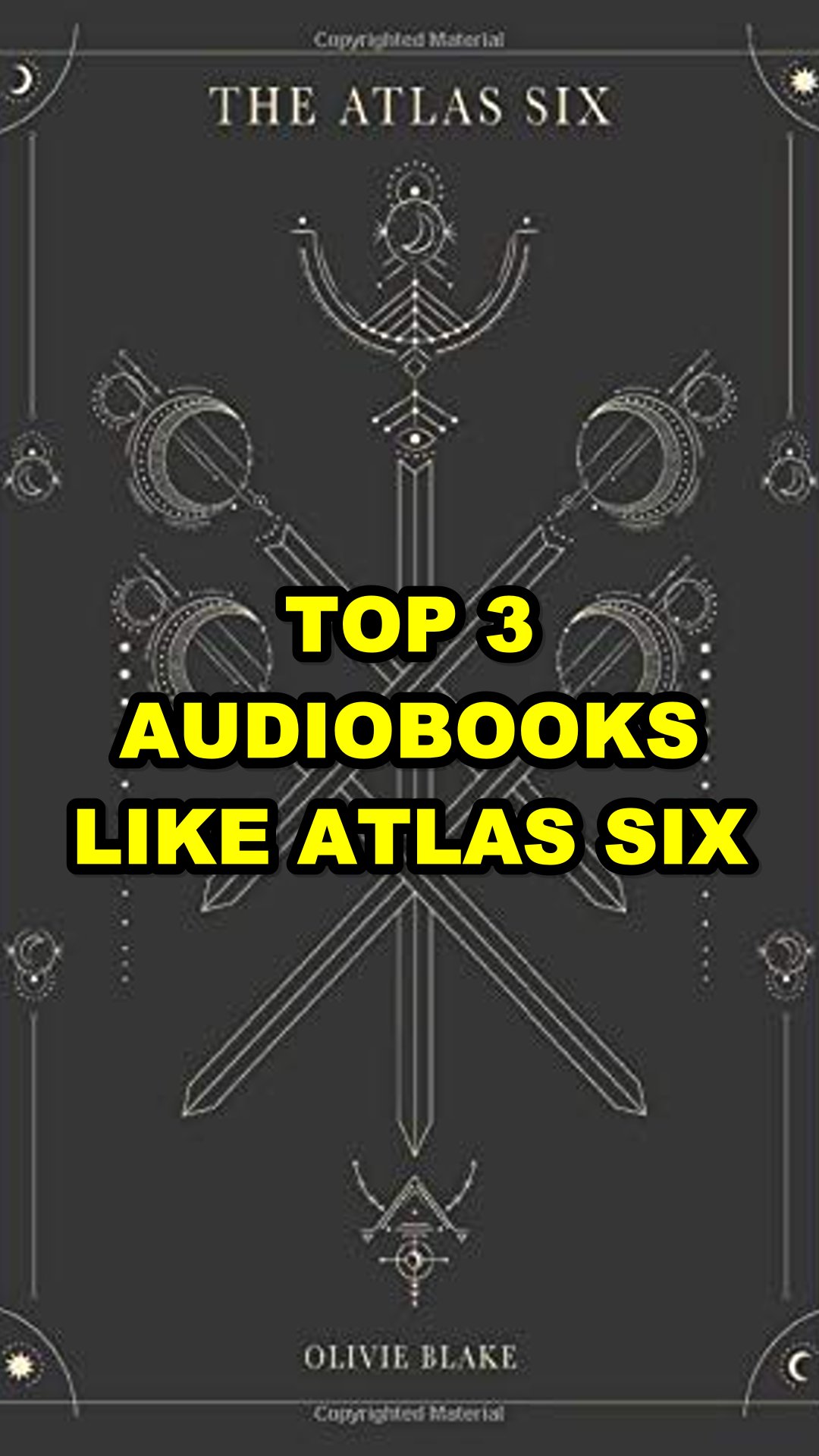
The Atlas Six by Olivie Blake is worth listening to if you want a dark academia audiobook built on rivalry, ambition, and morally grey magicians rather than tidy heroics. It won’t work for everyone — the plot moves slowly while the six leads circle each other — but the character work is sharp enough to carry a full listen.
- Six magicians compete for five permanent spots in a secret magical society.
- The tension comes from psychology and rivalry, not spellcasting battles.
- Pacing is deliberate, so it rewards listeners who enjoy character-driven fantasy.
What it’s about
The Atlas Six follows six young magicians recruited into the Alexandrian Society, a secretive order guarding humanity’s lost knowledge inside a hidden archive called the Library. Each recruit believes they’ve been chosen for their extraordinary talent, until they learn only five of them will be allowed to stay permanently — and the group itself must decide who doesn’t make it. Olivie Blake spends most of the book inside the six characters’ heads, unpacking their ambitions, insecurities, and shifting alliances as they realize the cost of what they’re competing for. There isn’t a traditional villain; the threat is each other, and that’s the engine driving the whole story.
Why it works as an audiobook
The Atlas Six suits audio because so much of the tension lives in internal thought and dialogue rather than action set pieces. Blake’s prose leans heavily on interiority — long stretches of a character rationalizing a betrayal or turning a rivalry over in their mind — and a skilled narrator can shape that into something closer to eavesdropping than reading. The shifting point-of-view structure also translates cleanly to listening, since a narrator can subtly differentiate each magician’s voice and worldview without needing chapter headers to signal the switch. If you find the book’s introspective pacing slow on the page, audio often smooths that out.
Who should read it
The Atlas Six is for readers who want their fantasy heavy on psychology and light on quest structure. It suits fans of secret societies, academic rivalries, and characters you’re not necessarily supposed to root for cleanly. If you need fast plotting, clear-cut morality, or a satisfying magic system with defined rules, this one will likely frustrate you more than it delights you — Blake is far more interested in why these magicians want power than in how their magic technically works.
Similar books
Ninth House by Leigh Bardugo — a darker, more violent take on secret societies and forbidden knowledge, set among Yale’s real-world “houses” with actual magic underneath.
A Deadly Education by Naomi Novik — trades a hidden archive for a magic school that actively tries to kill its students, with the same sharp, prickly first-person voice driving the tension.
Babel by R.F. Kuang — swaps the modern secret society for an Oxford translation institute built on colonial power, pairing dark academia atmosphere with a much sharper political edge.
FAQ
Is The Atlas Six worth listening to as an audiobook? Yes, if you enjoy slow-burn dark academia with morally grey characters — the ensemble structure and internal monologues translate well to narration, though the pacing takes patience early on.
Is The Atlas Six part of a series? Yes, Olivie Blake’s The Atlas Six is the first book in The Atlas series, followed by further installments that continue the surviving magicians’ story.
Do you need to like fantasy tropes to enjoy The Atlas Six? Not strictly — the book leans more on psychological tension, rivalry, and philosophy of power than on traditional magic-system worldbuilding, so literary fiction fans often enjoy it too.
More audiobook reviews
Browse all audiobook reviews · What to watch on Prime Video · Start a 30-day Audible trial
#ad · As an Amazon Associate, Elite Books earns from qualifying purchases and sign-ups.