▶ Tap to play (60 seconds)
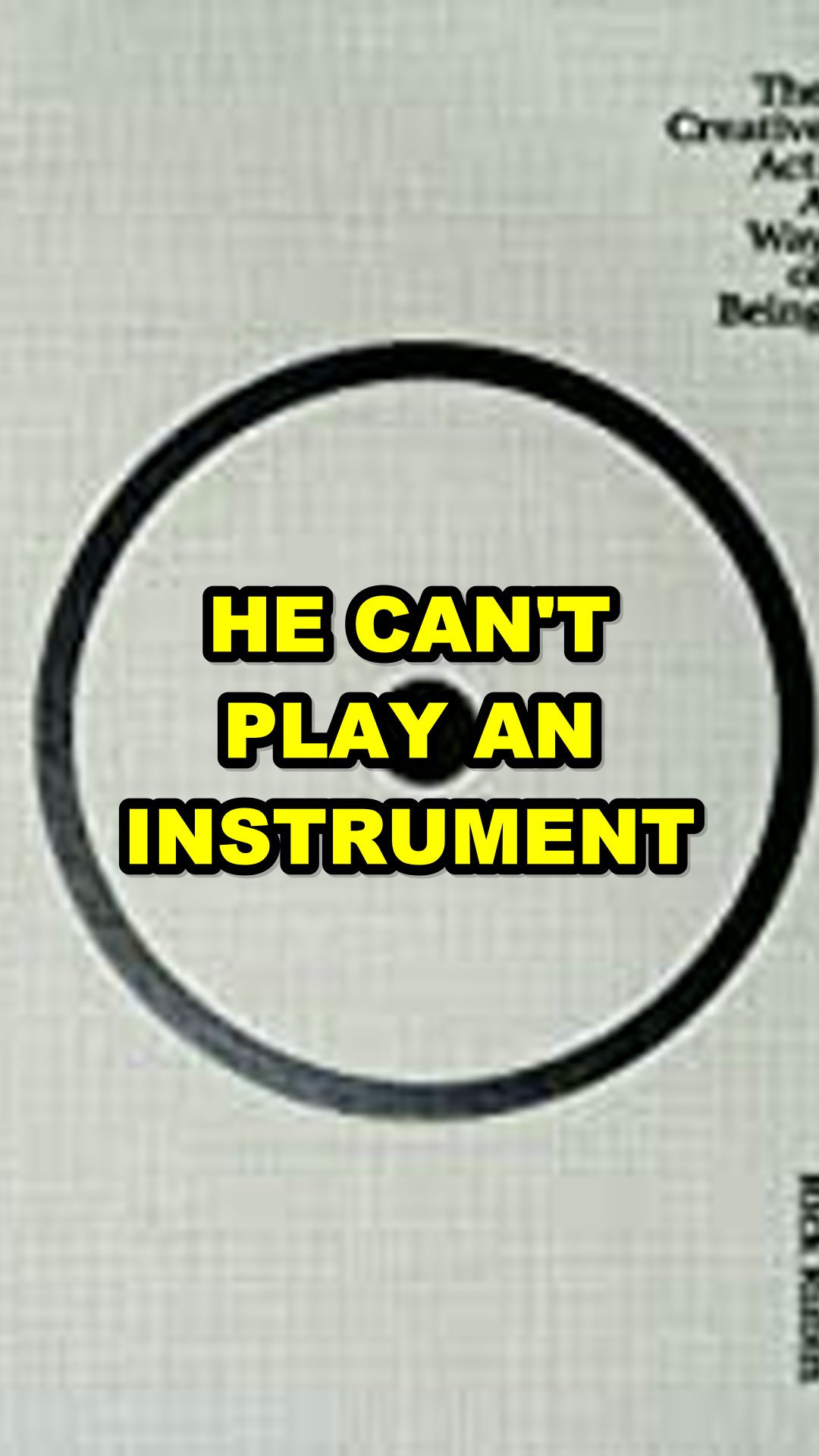
The Creative Act: A Way of Being by Rick Rubin is worth listening to if you want a slow, meditative nonfiction audiobook that treats creativity as a spiritual practice rather than a productivity hack. It won’t teach you chord progressions or marketing funnels — it will change how you pay attention.
Quick verdict
This is less a how-to guide and more a long, patient conversation with one of music’s most trusted ears. The Creative Act rewards listeners who are willing to slow down and sit with an idea rather than race through a checklist. If you want tactical steps, this isn’t that book — if you want your relationship with your own work to shift, it is.
What it’s about
The Creative Act is Rick Rubin’s attempt to put into words the instincts he’s relied on for decades while producing artists across wildly different genres, from Metallica to Jay-Z to Adele. Rather than a memoir full of studio anecdotes, the book is organized as a series of short chapters — closer to meditations or koans — each circling a different facet of the creative process: noticing, editing, doubt, timing, and the difference between the artist and the audience inside your own head. Rubin never claims to be a musician or technician; his authority comes entirely from listening, and the book is structured to teach you to listen the same way, to your own work and your own instincts.
Why it works as an audiobook
Hearing Rick Rubin narrate The Creative Act in his own unhurried voice is the reason this format outperforms the page for most listeners. The text itself is sparse and almost poetic on paper, but in audio his pacing, pauses, and calm delivery turn each short chapter into something closer to a guided reflection than a lecture. Because the book isn’t plot-driven or dense with data, it’s easy to absorb in short sessions — a commute, a walk, a stretch of studio or workshop time — without losing the thread. It’s one of the rare nonfiction audiobooks where the author’s own voice genuinely is the content, not just a delivery mechanism for it.
Who should read it
The Creative Act is built for anyone who makes things and second-guesses themselves while doing it — musicians, writers, designers, founders, or hobbyists stuck in their own head. It’s especially good for listeners who’ve outgrown “10 tips to boost creativity” content and want something more contemplative. If you need concrete frameworks, deadlines, or exercises to feel like you’re making progress, you may find Rubin’s abstraction frustrating rather than freeing.
Similar books
- The War of Art by Steven Pressfield — a blunter, more combative take on overcoming creative resistance.
- Big Magic by Elizabeth Gilbert — a warmer, more personal argument for living a creative life without fear.
- Steal Like an Artist by Austin Kleon — a lighter, more practical companion on originality and influence.
FAQ
Do you need to be a musician to get value from The Creative Act? No — Rick Rubin barely discusses music production directly; the book treats creativity as a universal practice, so writers, painters, entrepreneurs, and hobbyists all find it applicable.
Is The Creative Act audiobook narrated by Rick Rubin himself? Yes, Rubin narrates the audiobook, and his calm, unhurried delivery is widely considered part of what makes the listening experience distinct.
Is The Creative Act more practical or philosophical? It leans philosophical and meditative rather than a step-by-step manual, offering short reflections and principles instead of exercises or a rigid framework.
More audiobook reviews
Browse all audiobook reviews · What to watch on Prime Video · Start a 30-day Audible trial
#ad · As an Amazon Associate, Elite Books earns from qualifying purchases and sign-ups.