▶ Tap to play (60 seconds)
Quick verdict
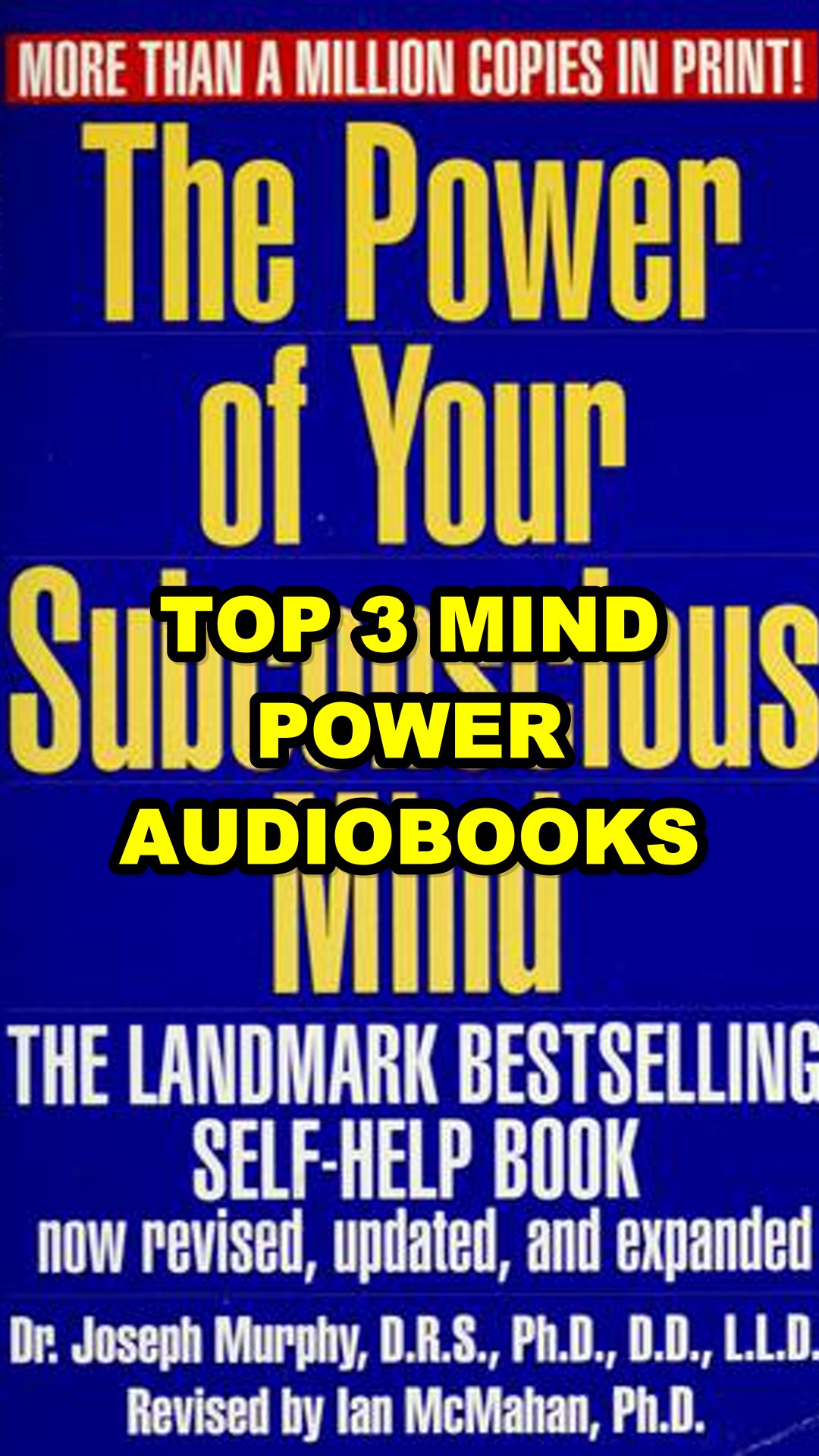
The Power of Your Subconscious Mind by Joseph Murphy is worth listening to if you want a classic self-help audiobook about positive thinking and mental habits, as long as you take its big promises as inspiration rather than science. It is light on data and heavy on repetition, which makes it a surprisingly good fit for headphones at night.
- Murphy’s core idea: repeated, emotionally vivid thoughts shape what your subconscious mind accepts and acts on.
- Short chapters and simple exercises make this a low-effort first step into mindset self-help.
- Its health and money claims are anecdotal, so use it for motivation, not medical or financial guidance.
What it’s about
First published in 1963, The Power of Your Subconscious Mind argues that you have two layers of thinking: a conscious mind that chooses, and a subconscious mind that simply accepts whatever you impress upon it. Murphy builds the whole book on that split.
From there he walks through practical applications: confidence, relationships, work, habits, worry and fear. He leans heavily on Bible passages and on case stories from his lectures, and he keeps returning to one method. Relax, picture the outcome as already true, and repeat it calmly until it feels natural. Sleep gets special attention, because he treats the drowsy minutes before bed as the moment your mind is most receptive.
Why it works as an audiobook
This is a book that benefits from being heard, because its method is built on repetition and calm, and a steady voice in your ears delivers both. The chapters are short and self-contained, so you can listen to one on a commute and one before bed without losing the thread.
The exercises also land better when someone talks you through them than when you skim them on a page. The trade-off is style: the language is early-1960s, the examples can feel dated, and the same point is restated many times. Narration differs between editions, so play the sample first and pick a voice you would happily fall asleep to.
Who should read it
Choose The Power of Your Subconscious Mind if you are new to self-help, enjoy motivational classics, or want a gentle nighttime routine built around positive suggestion. It is especially good for anyone who likes the spirit of Napoleon Hill but wants something shorter and more meditative.
Skip it if you want studies, controlled evidence or a step-by-step system. Murphy’s claims about healing and success are testimonial-based, so read them as a philosophy of belief rather than a promise. Pair it with a more research-minded title if you want both the spark and the evidence.
Similar books
If Joseph Murphy’s ideas about the mind clicked for you, these three self-help audiobooks are the natural next listens:
- Psycho-Cybernetics by Maxwell Maltz: a classic on self-image and visualization that gives the subconscious idea a more practical, goal-driven frame.
- Think and Grow Rich by Napoleon Hill: the best-known success-mindset classic, built on desire, persistence and the power of belief.
- Breaking the Habit of Being Yourself by Joe Dispenza: a modern, science-flavored take on rewiring thoughts and habits through meditation.
FAQ
Is The Power of Your Subconscious Mind worth listening to? Yes, if you enjoy classic self-help built on belief, visualization and repetition. It is inspirational rather than scientific, so treat it as a mindset primer, not a research-backed manual.
How does Joseph Murphy say the subconscious mind works? Murphy teaches that your conscious mind chooses ideas and your subconscious accepts and acts on them. He recommends calm, repeated, vivid suggestion, especially just before sleep.
Is The Power of Your Subconscious Mind good for beginners? It is one of the easiest entry points to mindset self-help, with short chapters, plain language and simple exercises. Just be aware its style and examples date from the early 1960s.
More audiobook reviews
Browse all audiobook reviews · What to watch on Prime Video · Start a 30-day Audible trial
#ad · As an Amazon Associate, Elite Books earns from qualifying purchases and sign-ups.