▶ Tap to play (60 seconds)
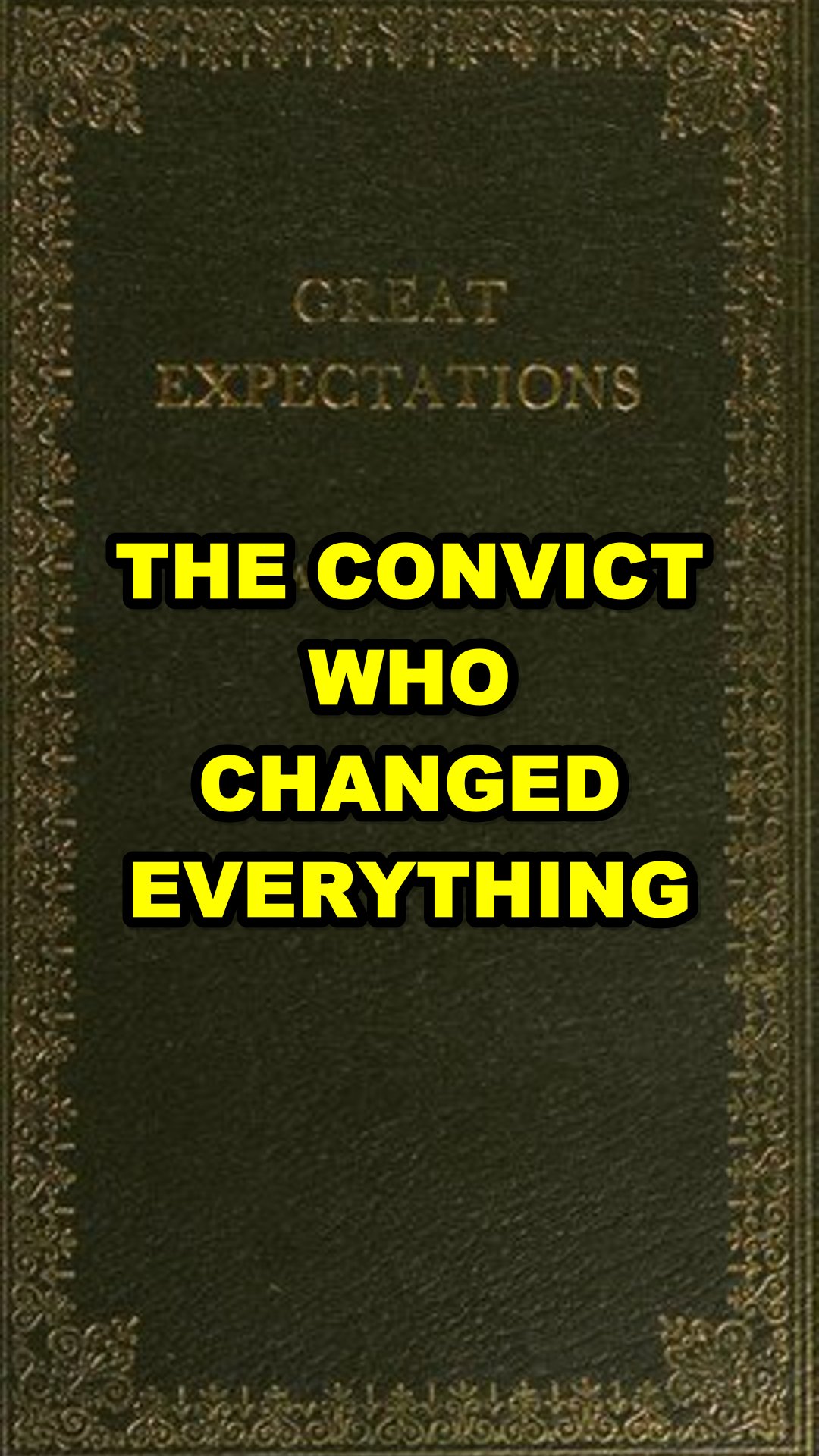
Great Expectations by Charles Dickens is absolutely worth listening to for fans of literary fiction and coming-of-age stories, thanks to its unforgettable characters and a plot that still surprises readers more than a century and a half later.
Quick verdict
This is Dickens at his most emotionally precise, tracing a boy’s transformation from blacksmith’s apprentice to gentleman without ever losing sight of what that rise costs him. It’s long, but it never drags, because every chapter adds a new piece to a puzzle you don’t realize you’re solving until the very end.
- Pip’s opening encounter with an escaped convict sets up the entire novel’s moral engine.
- Miss Havisham’s decaying mansion is one of literature’s most haunting settings.
- The identity of Pip’s secret benefactor remains genuinely surprising on a first listen.
What it’s about
Great Expectations follows Pip, an orphan raised by his sister and her kind husband Joe Gargery, from a terrifying graveyard encounter with an escaped convict through an unexpected windfall that catapults him into London high society. Along the way he becomes entangled with Miss Havisham, a jilted bride frozen in time in her decaying mansion, and Estella, the beautiful girl she has raised specifically to break men’s hearts. Dickens uses Pip’s first-person narration to examine how quickly gratitude curdles into shame once someone believes they’ve outgrown their origins. It’s a novel about ambition, class, and the slow, humbling process of figuring out who actually deserves your loyalty.
Why it works as an audiobook
Dickens wrote in an era of serialized fiction meant to be read aloud in installments, and that cadence translates beautifully to audio. The first-person voice of Pip gives a narrator plenty to work with emotionally, from childhood terror to adult self-delusion to eventual clarity, and the sprawling cast of eccentrics — Joe, Jaggers, Wemmick, Herbert Pocket — practically demands distinct vocal characterization. Dickens’ famously long, comma-laced sentences, which can feel exhausting on the page, tend to breathe naturally when spoken, since a good narrator paces them the way Dickens likely intended them to be heard.
Who should read it
Great Expectations rewards readers who enjoy character-driven literary fiction with a strong emotional arc rather than fast-paced plotting. It’s a natural pick if you loved coming-of-age stories about self-deception and growth, if you’re a student or lifelong learner working through classic literature, or if you simply want to know why this novel keeps showing up on “greatest books” lists. Patience helps in the early chapters, but the payoff is substantial.
Similar books
- David Copperfield by Charles Dickens — another autobiographical bildungsroman following a boy’s journey from hardship to self-discovery.
- Jane Eyre by Charlotte Brontë — a Victorian coming-of-age story with a similarly resilient, morally complex narrator.
- A Tale of Two Cities by Charles Dickens — Dickens’ other towering classic, trading class anxiety for revolutionary upheaval.
FAQ
Is Great Expectations hard to listen to as an audiobook? No — a skilled narrator smooths out Dickens’ long Victorian sentences, and the first-person voice of Pip makes it easier to follow by ear than on the page.
Is Great Expectations appropriate for teens? Yes, it’s frequently assigned in schools; the themes of ambition, class, and disappointment are handled without graphic content.
What is the twist in Great Expectations? Without spoiling it, Pip’s mysterious benefactor is not who he assumes, and the reveal reshapes everything he believes about his rise in status.
More audiobook reviews
Browse all audiobook reviews · What to watch on Prime Video · Start a 30-day Audible trial
#ad · As an Amazon Associate, Elite Books earns from qualifying purchases and sign-ups.